
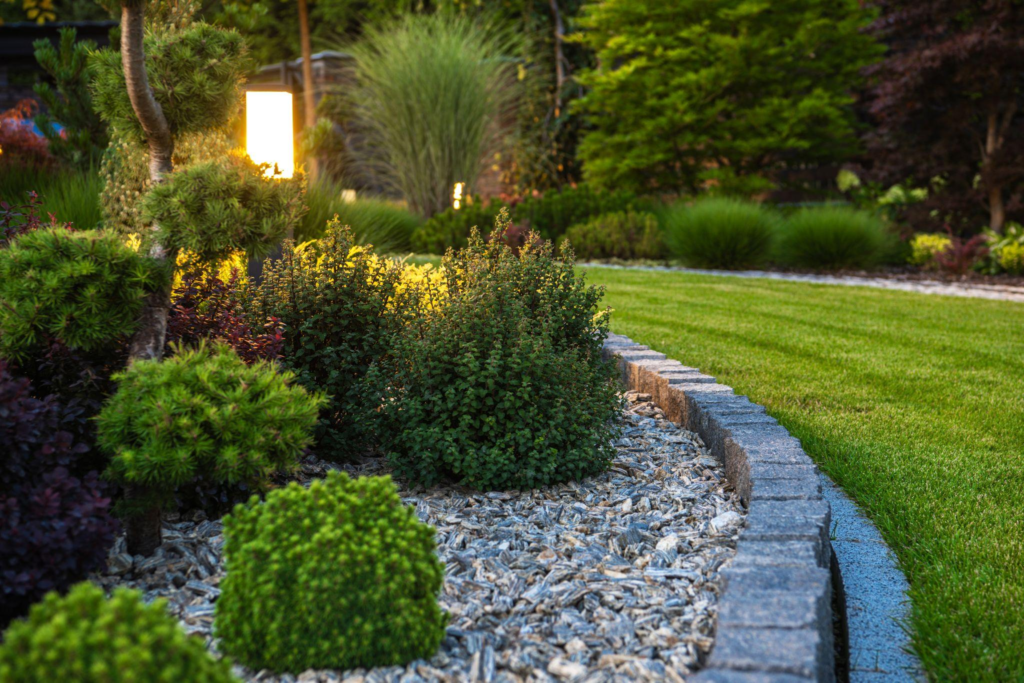
Designing a garden is more than just planting flowers—it’s about creating a personal retreat that reflects your style, supports relaxation, and enhances the beauty of your home. Whether you have a large backyard or a compact outdoor area, thoughtful https://svetliving.cz/zahrada/ garden design can turn any space into a peaceful sanctuary. By combining creativity with practical planning, you can achieve a landscape that feels both functional and visually stunning.
The first step in garden design is understanding your space. Take time to evaluate the size, shape, sunlight exposure, and soil condition of your outdoor area. Some plants thrive in full sunlight, while others prefer shade, so knowing your environment helps you make smarter choices. Consider how you want to use the space—whether for entertaining guests, relaxing alone, or growing plants. A well-planned layout ensures that every part of your garden serves a purpose.
Choosing the right layout is essential for a cohesive look. You can opt for a formal garden with clean lines and symmetry, or a more natural design with curved pathways and organic shapes. Dividing the garden into zones—such as seating areas, planting beds, and walkways—helps create structure. Paths made of stone, gravel, or wood not only improve accessibility but also add visual interest. The layout should guide movement naturally while maintaining balance throughout the space.
Plant selection plays a major role in defining your garden’s character. A mix of trees, shrubs, flowers, and ground cover adds depth and texture. Consider seasonal changes to ensure your garden looks appealing year-round. For example, flowering plants can provide color in spring and summer, while evergreen plants maintain structure in winter. Native plants are often a great choice because they adapt well to local conditions and require less maintenance.
Incorporating focal points can elevate the overall design. Features such as a water fountain, sculpture, or a cozy seating area draw attention and create a sense of harmony. Even a simple element like a decorative planter or a small pond can become the centerpiece of your garden. These focal points help break monotony and give your outdoor space a unique identity that reflects your personal taste.
Lighting is another key element that is often overlooked. Proper garden lighting enhances both safety and aesthetics, especially in the evening. Soft lighting along pathways, accent lights for plants, and ambient lighting around seating areas can create a warm and inviting atmosphere. Solar-powered lights are an eco-friendly option that can reduce energy costs while still providing effective illumination.
Maintenance should always be part of your design plan. A beautiful garden is only sustainable if it can be maintained easily. Choose plants that match your level of commitment and consider installing efficient irrigation systems to simplify watering. Mulching, pruning, and regular care will keep your garden healthy and attractive over time. Designing with maintenance in mind ensures that your outdoor retreat remains enjoyable rather than becoming a burden.
Finally, personalization is what truly transforms a garden into a retreat. Add elements that reflect your lifestyle, such as comfortable outdoor furniture, decorative accents, or even a small herb garden. Your garden should feel like an extension of your home—a place where you can unwind, connect with nature, and recharge. With the right approach, any outdoor space can be turned into a beautiful and relaxing haven that you’ll enjoy for years to come.